
You cannot scale chaos. Growth is not a function of how hard a company works, but how well it is structured to handle success. The ACG Systems Framework is built on the idea that real scale comes from systems, from designing a business that can operate, adapt, and improve without constant intervention. In the long run, the companies that win are not the busiest or the loudest, but the ones that are engineered with clarity, precision, and intelligence at their core.
Most companies believe they have a growth problem.
They don’t.
They have a systems problem.
The Illusion of Effort
Founders often default to intensity:
-
more marketing
-
more hires
-
more activity
-
more capital
But despite this, growth plateaus.
Why?
Because effort does not scale.
Systems do.
This is where the ACG Systems Framework begins.
The Core Principle
At its simplest:
Scale is not about doing more — it’s about building something that can handle more.
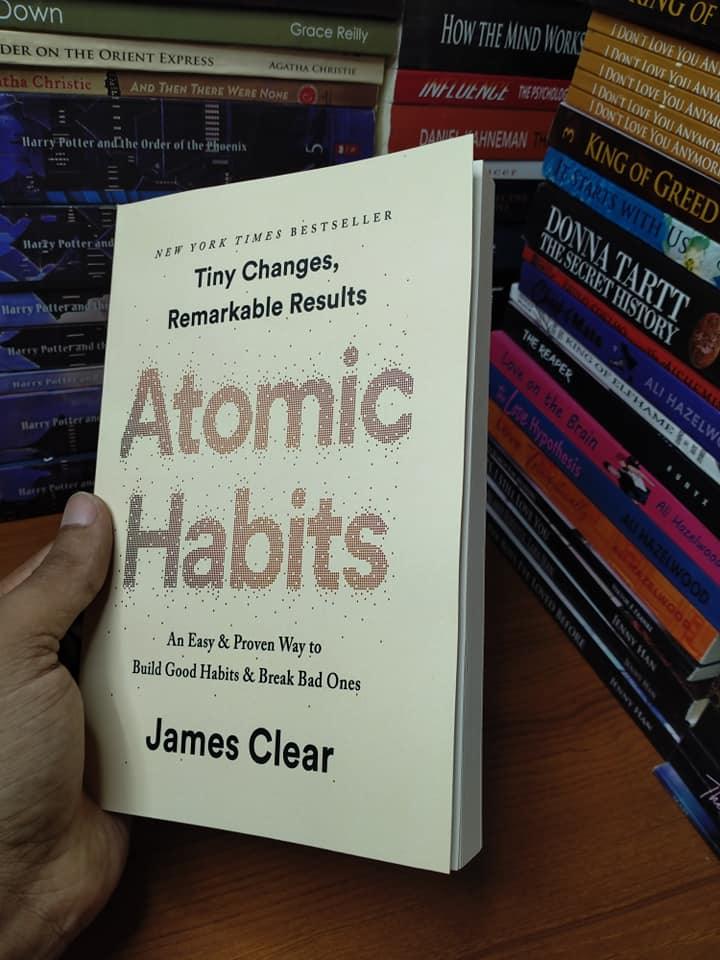
This aligns closely with a now widely referenced idea from Atomic Habits by James Clear:
“You do not rise to the level of your goals. You fall to the level of your systems.”
This is not just a personal productivity insight.
It is a business law.
Why Most Companies Fail to Scale
Let’s look at what actually breaks during growth:
1. Operational Bottlenecks
-
70%+ of scaling companies report operational inefficiencies as a primary constraint
-
Manual workflows increase exponentially with growth
2. Decision Latency
-
As organizations grow, decision-making slows by up to 5x due to lack of structure
-
Founders become bottlenecks instead of accelerators
3. Inconsistent Execution
-
Marketing, sales, and product teams operate in silos
-
No unified system → inconsistent output
4. Data Fragmentation
-
Businesses use 5–15 disconnected tools on average
-
No centralized intelligence layer
The result?
Growth creates chaos instead of momentum.
The ACG Systems Framework
This framework exists to solve this.
It focuses on building the operational and digital backbone of a company — the invisible layer that determines whether growth compounds or collapses.
The 5 Layers of the Framework
1. System Architecture
“How does the business actually run?”
-
Defined workflows
-
Clear ownership structures
-
Process standardization
Companies with strong process architecture see 20–30% higher operational efficiency.
2. Digital Infrastructure
“What powers the system?”
-
CRM, ERP, internal tools
-
Integrations across platforms
-
Automation layers
Businesses that invest in digital infrastructure grow revenue 2–3x faster than those that don’t.
3. Revenue Systems
“How does money flow predictably?”
-
structured acquisition funnels
-
pricing logic
-
retention mechanisms
Predictable revenue is not a function of demand —
it is a function of system design.
4. Execution Engines
“How does work get done at scale?”
-
content pipelines
-
campaign systems
-
product delivery frameworks
This is where most “agencies” operate.
But without the first three layers, execution becomes noise.
5. Intelligence Layer
“How does the system improve itself?”
-
performance tracking
-
feedback loops
-
AI-driven insights
This is where companies transition from reactive → adaptive systems
And this is where platforms like Vorian become critical.
Systems vs. Talent
There is a common misconception:
“If we hire better people, we’ll scale.”
But data suggests otherwise.
-
High-performing teams without systems decline in output over time
-
System-driven organizations maintain consistency regardless of personnel changes
This is why:
Great companies are not built on people alone — they are built on systems that make people effective.
The Compounding Effect of Systems
Systems create leverage.
A well-designed system:
-
reduces marginal effort
-
increases consistency
-
compounds output
For example:
-
A manual sales process → linear growth
-
A systemized sales engine → exponential growth
This is the difference between:
-
working harder
-
and building something that works for you
Where Most Companies Go Wrong
They invert the order.
They start with:
-
branding
-
marketing
-
hiring
Instead of:
-
systems
-
infrastructure
-
architecture
Which leads to:
Attention without conversion
Growth without retention
Scale without stability
The Future of Business is System-Led
As businesses become more digital, this becomes even more pronounced.
The companies that win will not be those that:
-
spend the most
-
hire the most
-
move the fastest
They will be the ones that:
-
build the best systems
-
integrate intelligence
-
and continuously optimize